Google’s Dark Web Report is a useful way to check whether some of your personal information appears in known data breaches. It does not scan every corner of the internet, but it can help you quickly spot exposed data tied to your Google account and decide what to secure first.
If you have ever reused passwords, signed up for multiple services, or received suspicious login alerts, checking for leaked data is a smart move. The report can show what type of information was found and give you a starting point for protecting your accounts.
What Google Dark Web Report Can Show You
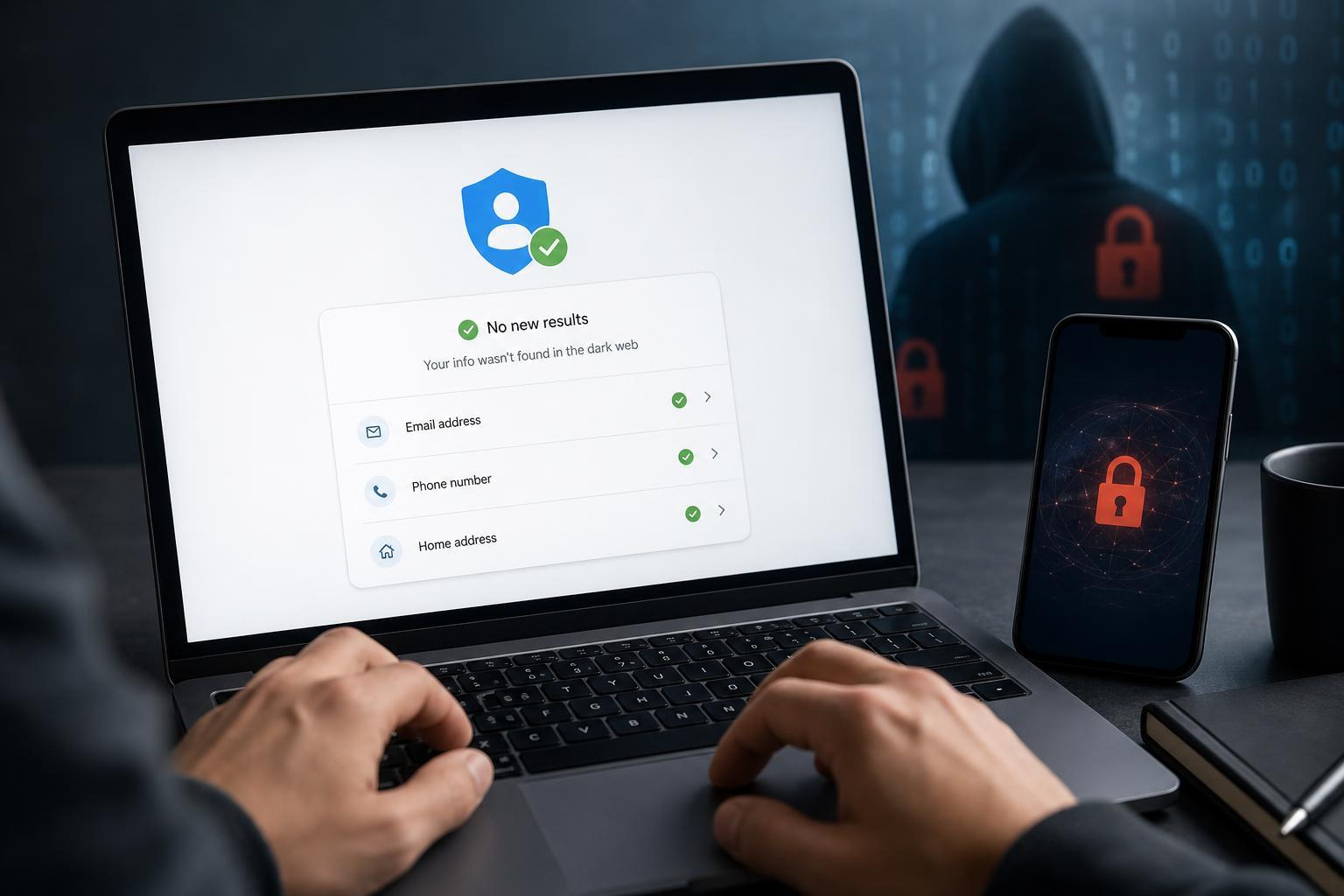
Dark Web Report is part of Google’s security tools and is designed to tell you whether certain details linked to your account appear in known data breaches. Depending on the results, it may show exposed items such as your email address, phone number, name, username, or passwords that were discovered in breach databases.
How to Access Google Dark Web Report
- Sign in to the Google account you want to check.
- Go to Google’s security or account protection area and open Dark Web Report, if it is available for your account or region.
- Start the scan or monitoring setup if Google asks you to configure it first.
- Choose which personal details you want Google to check, such as your name, email address, phone number, and other supported information.
How to Read the Results
If Google finds your data in a breach, the report usually explains what type of information was exposed and may point you toward the affected service or account. That makes it easier to decide whether you need to change a password, review account activity, or secure related logins.
- Email address found in a breach
- Password found in a breach
- Name or username exposed
- Phone number exposed
- Other identity-related details linked to a breached service
What to Do If Your Data Was Found
- Change the password for the affected account immediately.
- If you reused that password elsewhere, update those accounts too.
- Turn on two-step verification for important services.
- Check recent login activity for anything unfamiliar.
- Review recovery email addresses and phone numbers to make sure they have not been changed.
- Watch for phishing emails or scam texts that reference the exposed information.
What the Report Cannot Do
Google Dark Web Report is helpful, but it has limits. It cannot guarantee that your data has never been leaked, and it cannot detect every stolen record in circulation. It also cannot tell you whether your information is already being misused right now.
- It only checks against breach data Google can access
- It may not include every service or every past breach
- It does not monitor every website, forum, or criminal marketplace in real time
- It cannot undo a leak or remove your data from other systems
Best Next Steps After You Check the Report
Even if Google finds nothing, it is still worth improving your account security. A clean result does not mean your accounts are safe forever, only that no matching breach data was found in the sources checked at that time.
- Use unique passwords for every important account
- Keep two-step verification enabled
- Store passwords in a trusted password manager
- Review privacy settings on major accounts
- Be careful with password reset emails and login alerts
- Run periodic security checks on email, banking, and social accounts
When to Check Again
It makes sense to check after a major breach is reported, if you start receiving suspicious sign-in alerts, or whenever you change your main email or phone number. If Google offers ongoing monitoring for your account, keeping it enabled is usually more convenient than checking once and forgetting about it.