
Switching from Windows to Linux can be a great move, but it is not the right choice for everyone. Linux offers strong performance, flexibility, and control, yet it can also require more setup and may not support every app or device you use on Windows.
This guide walks through the real advantages and trade-offs of moving to Linux, plus the practical steps to make the switch with fewer surprises.
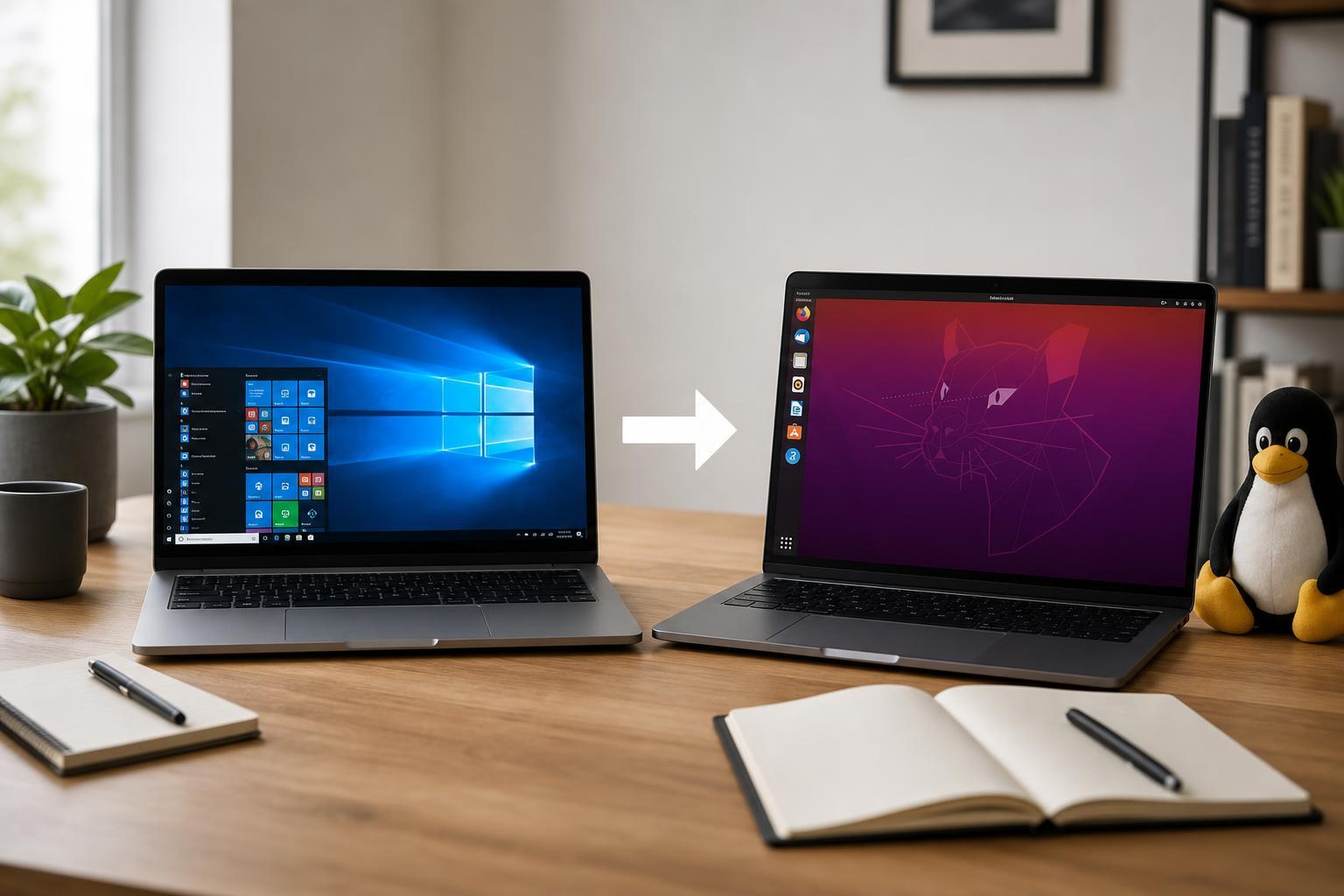
Why People Consider Linux
Most people look at Linux for one or more of these reasons: they want a faster-feeling system on older hardware, more control over how their PC works, better privacy options, or a free alternative to Windows. Some users are also motivated by curiosity or by frustration with Windows updates, background processes, or system changes they do not want to manage.
- It can run well on older or low-spec PCs.
- Many Linux distributions are free to download and use.
- You can customize the desktop and system behavior in far more detail than in Windows.
- It is widely used for servers, development, and technical work.
- There are fewer system-wide licensing restrictions on most distributions.
The Main Pros of Linux
Linux has several strengths that make it attractive to home users, hobbyists, developers, and people repurposing older computers.
- Performance: Linux can feel lighter than Windows, especially on machines with limited RAM or older processors.
- Customization: You can change the desktop, window behavior, file manager, shell, and much more.
- Software management: Many Linux distributions include package managers that make installing and updating apps simple.
- Security model: Linux is generally less exposed to common Windows malware, though it is not immune to threats.
- Stability: Many users find Linux dependable for long sessions and everyday work once it is properly configured.
- Free and open source: Most distributions are free to use and inspect, with many community-supported tools available.
The Main Cons of Linux
Linux also comes with important trade-offs. These are the issues that usually matter most when deciding whether to switch.
- Some Windows software has no Linux version, especially certain games, creative apps, and specialized business tools.
- Hardware support can vary, particularly for very new laptops, printers, Wi-Fi adapters, and graphics hardware.
- You may need to learn new ways of installing software, handling drivers, and finding system settings.
- Troubleshooting can be less familiar if you are used to Windows tools and menus.
- A few apps work, but not perfectly, through compatibility layers such as Wine or Proton.
- Some hardware features, like fingerprint readers or certain function keys, may require extra setup or may not work at all.
What to Check Before You Switch
Before installing Linux, check the things that matter most in your daily use. This is the easiest way to avoid regret later.
- List the apps you use every week and confirm whether each one has a Linux version or a reliable alternative.
- Check whether your printer, Wi-Fi adapter, scanner, webcam, GPU, and laptop-specific features are known to work well on Linux.
- Decide whether you need Windows-only games or software for work, school, or creative projects.
- Back up important files before making any changes to partitions or operating systems.
- Choose a distribution that matches your experience level rather than picking one at random.
Best Ways to Try Linux First
You do not have to replace Windows immediately. Testing Linux first can help you learn the basics and confirm that your hardware behaves properly.
- Use a live USB to boot into Linux without installing it. This lets you test Wi-Fi, sound, touchpad behavior, display scaling, and general responsiveness.
- Try a dual-boot setup if you want to keep Windows available while you evaluate Linux over time.
- Use a virtual machine for basic exploration, though this is less useful for testing hardware performance and device support.
- Install Linux on an old secondary PC if you have one and want a low-risk practice machine.
Choosing the Right Distribution
The best Linux distribution for a new user is usually the one that matches their comfort level and goals, not the one that sounds most advanced.
- Linux Mint: Good for users coming from Windows who want a familiar desktop and a conservative approach.
- Ubuntu: A popular general-purpose option with broad community support.
- Fedora: Good for users who want newer software and do not mind a slightly more modern workflow.
- Debian: Stable and reliable, but often less beginner-oriented out of the box.
- Pop!_OS: Often chosen for gaming or workstation-style use, depending on hardware and preferences.
How to Prepare for the Move
A little preparation makes the transition much easier. This is especially important if you plan to remove Windows instead of dual-booting.
- Back up your documents, photos, browser data, and anything else you cannot replace.
- Save installers or license details for any software you may still need on Windows.
- Make a note of key settings such as passwords, printer models, and network details.
- Create a bootable USB for the Linux distribution you want to try or install.
- If dual-booting, confirm that you have enough free disk space and understand how partitions will be used.
How the Switch Usually Goes
Most people who move from Windows to Linux have one of three paths: replace Windows completely, dual-boot both systems, or keep Linux as a secondary setup for a while. The right choice depends on how much Windows software you still need.
- Try Linux from a live USB to confirm that your hardware and desktop environment feel acceptable.
- Install Linux alongside Windows if you need to keep access to Windows-only apps.
- Move fully to Linux if your required apps, games, and devices are supported and you are comfortable learning the new workflow.
- Keep a backup Windows machine, virtual machine, or dual-boot option if one or two essential programs are still missing.
Common Problems New Linux Users Run Into
The hardest part of the switch is often not the installation itself, but the differences in software availability, drivers, and system habits.
- Finding Linux replacements for familiar Windows programs.
- Learning where settings are located in a new desktop environment.
- Fixing printer or scanner issues if the device is poorly supported.
- Adjusting to different file paths, permissions, and package managers.
- Understanding gaming compatibility if you rely on anti-cheat-heavy online titles.
- Dealing with slight differences between distributions and desktop environments.
Many of these issues are manageable, but they are easier when you expect them. The more specialized your setup is, the more testing you should do before fully switching.
When Linux Is a Great Choice
Linux is usually a strong choice if your needs are straightforward and your hardware is well supported.
- You mainly browse the web, stream media, write documents, or code.
- You want to revive an older PC or laptop.
- You enjoy learning how your system works and customizing it.
- You need a stable environment for development or technical work.
- Most of your important apps already have Linux versions or good alternatives.
When You May Want to Stay on Windows
Windows may still be the better option if your PC depends on specific software or hardware that Linux cannot replace cleanly.
- You rely on a Windows-only work app every day.
- Your gaming library depends on titles with anti-cheat or launcher issues on Linux.
- You use specialized peripherals that only have reliable Windows drivers.
- You need the least possible friction for family or office use.
- You do not want to spend time learning a different system just to gain modest benefits.
A Practical Decision Rule
If you can answer yes to most of these questions, switching is worth serious consideration:
- Do your must-have apps work on Linux or have acceptable alternatives?
- Does your hardware work well in a live USB test?
- Are you willing to learn a different software installation and update process?
- Would Linux genuinely improve something you care about, such as speed, control, or longevity on older hardware?
If the answer is mostly no, it is usually better to keep Windows and revisit Linux later, or use Linux only on a secondary machine.
What to Expect After the Switch
Once Linux is installed, expect a short adjustment period. File management, updates, app installation, and device settings may look different, but many users settle in quickly after a week or two of everyday use.
The smoothest transitions usually happen when users start with a beginner-friendly distribution, test hardware first, and only switch fully after confirming that their daily tasks are covered.





